|
Safeguarding Democracy in the Green Transition ͏ ͏ ͏ ͏ ͏ ͏ ͏ ͏ ͏ ͏ ͏ ͏ ͏ ͏ ͏ ͏ ͏ ͏ ͏ ͏ ͏ ͏ ͏ ͏ ͏ ͏ ͏ ͏ ͏ ͏ ͏ ͏ ͏ ͏ ͏ ͏ ͏ ͏ ͏ ͏ ͏ ͏ ͏ ͏ ͏ ͏ ͏ ͏ ͏ ͏ ͏ ͏ ͏ ͏ ͏ ͏ ͏ ͏ ͏ ͏ ͏ ͏ ͏ ͏ ͏ ͏ ͏ ͏ ͏ ͏ ͏ ͏ ͏ ͏ ͏ ͏ ͏ ͏ ͏ ͏ ͏ ͏ ͏ ͏ ͏ ͏ ͏ ͏ ͏ ͏ ͏ ͏ ͏ ͏ ͏ ͏ ͏ ͏ ͏ ͏ ͏ ͏ ͏ ͏ ͏ ͏ ͏ ͏ ͏ ͏ ͏ ͏ ͏ ͏ ͏ ͏ ͏ ͏ ͏ ͏ ͏ ͏ ͏ ͏ ͏ ͏ ͏ ͏ ͏ ͏ ͏ ͏ ͏ ͏ ͏ ͏ ͏ ͏ ͏ ͏ ͏ ͏ ͏ ͏ ͏ ͏ ͏ ͏ ͏ ͏ ͏ ͏ ͏ ͏ ͏ ͏ ͏ ͏ ͏ ͏ ͏ ͏ ͏ ͏ ͏ ͏ ͏ ͏ ͏ ͏ ͏ ͏ ͏ ͏ ͏ ͏ ͏ ͏ ͏ ͏ ͏ ͏ ͏ ͏ ͏ ͏ ͏ ͏ ͏ ͏ ͏ ͏ ͏ ͏ ͏ ͏ ͏ ͏ ͏ ͏ ͏ ͏ ͏ ͏ ͏ ͏ ͏ ͏ ͏ ͏ ͏ ͏ ͏ ͏ ͏ ͏ ͏ ͏ ͏ ͏ ͏ ͏ ͏ ͏ ͏ ͏ ͏ ͏ ͏ ͏ ͏ ͏ ͏ ͏ ͏ ͏ ͏ ͏ ͏ ͏ ͏ ͏ ͏ ͏ ͏ ͏ ͏ ͏ ͏ ͏ ͏ ͏ ͏ ͏ ͏
The EU-VALUES Newsletter Issue 8
|
Climate, Migration, and Security: Safeguarding Democracy in the Green TransitionThe climate crisis is no longer only an environmental emergency - it is rapidly becoming a defining political and security challenge for the European Union. Rising temperatures, extreme weather events, and environmental degradation are intensifying migration pressures, disproportionately affecting vulnerable regions and fuelling populist narratives that challenge democratic and accommodating governments. The EU’s green transition is a response to this crisis, but it too extends beyond environmental policy, shaping debates over energy security, economic competitiveness, and political stability. At the same time, the transition raises profound questions of distributive and corrective justice, particularly for developing countries that have contributed least to global emissions but face the harshest consequences. The escalation of conflict in the Middle East in early March 2026 further underscores how geopolitical crises continue to shape Europe’s energy and migration landscape—factors that directly influence the politics and pace of decarbonisation. In this edition of our newsletter, we explore the EU’s role in navigating the climate–migration–security nexus and examine how it can respond in ways that strengthen democratic resilience while advancing global climate justice. Below, you will find a curated selection of recent research on these themes, alongside updates, events, and activities from our Network partners and collaborators.
|
European Values, Climate Policy and the Green Backlash with
Prof. Catherine E. De Vries
|
|
Prof. Catherine E. De Vries (Bocconi University/IE) reflects on whether climate protection can be considered part of European values and how the European Union has incorporated this commitment into its external policy. She discusses whether the EU is experiencing a green backlash under the second von der Leyen Commission, and how far-right parties are shaping the political debate around climate action.
|
Climate, Migration, and Security:
Recent Publications
|
|
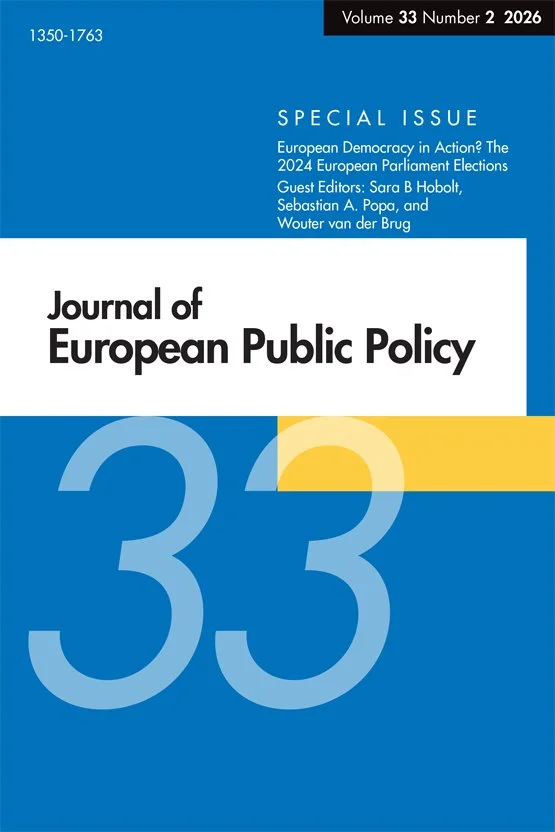
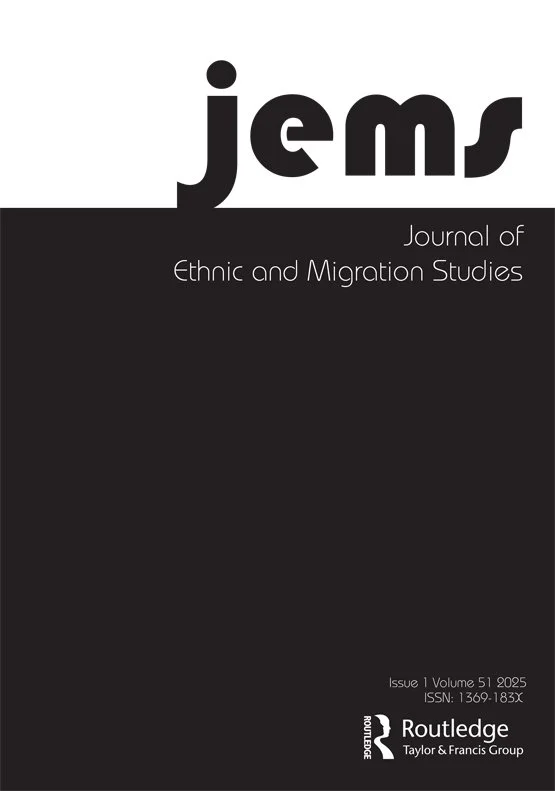
In their introduction to the Special Issue on The European Green Deal and democracy, Prof. Buzogány, Prof. Parks, and Prof. Torney (2025) present the European Green Deal (EGD) as an ambitious project for a just transition that is explicitly committed to being carried out “in a democratic way.” Given the transformative scale of the EGD, they argue that democratic consent is essential to its success. They structure the debate around four core dimensions—representation; participation and deliberation; justice and the just transition; and expertise—and highlight how democratic innovations and social movements may strengthen the legitimacy and transformative potential of EU climate governance. This focus on legitimacy connects to Prof. Morsut and Prof. Rhinard’s analysis of the “collective securitisation” of climate change in the UN and the EU (2025). Examining adaptation policy through document analysis and interviews, they show how risk- and threat-based security framings have travelled between organisations in recursive, bidirectional ways. Their findings demonstrate how securitisation dynamics and transnational policy learning shape the design of climate adaptation governance. Questions of legitimacy also arise in the distributive politics of mitigation. Prof. Baute’s large-N conjoint experiment in Germany (2024), shows that public support for EU climate policy depends strongly on policy design - particularly sectoral scope, social spending, financing structures, and cross-country burden-sharing. Fairness considerations, the study suggests, are central to sustaining ambitious mitigation efforts. Extending this line of inquiry, Prof. Kollberg, Prof. Jansen, Prof. Abou-Chadi and Prof. Redeker examine how preferences regarding European integration shape public opinion on the European Green Deal (2025). Their findings show that support for the EGD is closely tied to broader attitudes toward the EU itself: citizens who favour deeper European integration are more likely to endorse ambitious climate action at the EU level, while more integration-sceptic individuals display greater caution. The study thus underscores how the political sustainability of the Green Deal is embedded in wider contestation over the EU’s authority and trajectory, reinforcing the centrality of legitimacy and public consent to climate governance. Broadening the lens, Prof. Waltrup, Prof. Gengnagel, Prof. Zimmermann and Prof. Kaasch call for analysing climate change and European welfare states from a global social policy perspective (2025). They argue that social policy increasingly functions as an adaptive buffer against climate harms, while existing welfare models have also contributed to ecological degradation and inequality—placing the EU’s evolving eco-social model under particular scrutiny. Finally, Prof. Waters turns to climate migration (2024), proposing a typology that includes strategic migrants, disaster migrants, managed relocation, and trapped populations. She argues that proactive policies—such as expanding visa pathways for climate-affected countries—could address climate injustice while strengthening integration capacity. At a time when climate denialism intersects with anti-immigrant politics, effective integration and forward-looking governance are crucial for maintaining the social trust on which both democracy and climate action depend.
|
|
Did you know the EU-VALUES Repository is now online? Explore hundreds of recommended publications from our Network partners, including research on environmental justice, climate change, migration, and security. The repository is fully searchable and designed to help you quickly find relevant scholarship across our core thematic areas.
|
More updates from across our Network:
|
|
|
|
dr. Axel Marx, dr. Rodrigo Fagundes Cezar & dr, Santiago Fernández de Córdoba
At COP30 in Belém, UNFSS and ISO spotlighted Voluntary Sustainability Standards (VSS) as vital to sustainable trade. Experts stressed their role in advancing climate and supply-chain commitments, improving traceability through digital tools, lowering certification costs, supporting smallholders and Indigenous communities, and harmonizing global standards to ensure credible, inclusive implementation. |
|
|
|
|
Dr. Ottavio Quirico and Dr. Ivana Damjanovic
The ICJ’s advisory opinion affirms a clean, sustainable environment as fundamental to human rights. This blog explores how the EU embeds climate rights in its Charter and policy agenda, yet tempers ambition through trade and investment deals—revealing tensions between climate justice and economic integration, and challenging its external credibility. |
|
The European Dialogue Podcast:
|
EU Corporate Due Diligence: Finding the Smart Mix with Prof. Radu Mares Prof. Radu Mares explores the global implications of the European Green Deal. Drawing on his conference paper, he examines whether the EGD represents a regulatory revolution, its impact on global supply chains, risks for the Global South, and balancing climate ambition with fairness. |
|

|
|
|
Catch up on EU-VALUES Webinars:
|
|
Revist this session from last year with the experts to learn of the intersections of planetary justice, climate change, and plastic pollution. Dr. Sam Varvastian (Cardiff University) shared insights from his book, Human Rights Approaches to Planetary Crises (2024), exploring how human rights frameworks address environmental challenges. Prof. Sara Seck (Dalhousie University) examined corporate accountability and governance in the Anthropocene, offering valuable perspectives on law and justice.
Subscribe to our YouTube channel and be the first to know when new episodes go live! Our latest sessions included:
|
What’s Coming Up Next for the EU-VALUES Network?
|
|
EU Values in Investment Law and Policy with Dr. Maria Laura Marceddu Our next webinar event will take place on Thursday, April 23rd at 15hrs CET, and will feature Dr. Maria Laura Marceddu (King's College London), as she unpacks her recently published book ‘EU Values in Investment Law and Policy: Promises of Democracy and Rule of Law?’ (Oxford Studies in European Law, OUP, 2025). We will also be joined by Prof. Marja-Liisa Öberg (Lund University) and Colin Brown (Head of Dual Use, Export Controls and Trade Sanctions at the European Commission) for their expert reflections. The event will examine how the EU promotes democracy and rule of law in investment governance, assessing whether its normative ambitions represent genuine transformation or overstated rhetoric. Be sure to REGISTER HERE to save the date in your diaries!
|
Expert Survey Results on the SDGs and the European Union
|
|
This past month, we successfully conducted an international expert survey, gathering perspectives from scholars around the world on the EU’s role in advancing the Sustainable Development Goals through its external action. The survey examined the EU’s leadership, policy coherence, and integration of sustainability across areas such as development, trade, and climate diplomacy. We are currently analysing the results and look forward to presenting the key findings to you very soon!
|
Literature mentioned in this issue:
|
|
|
|